
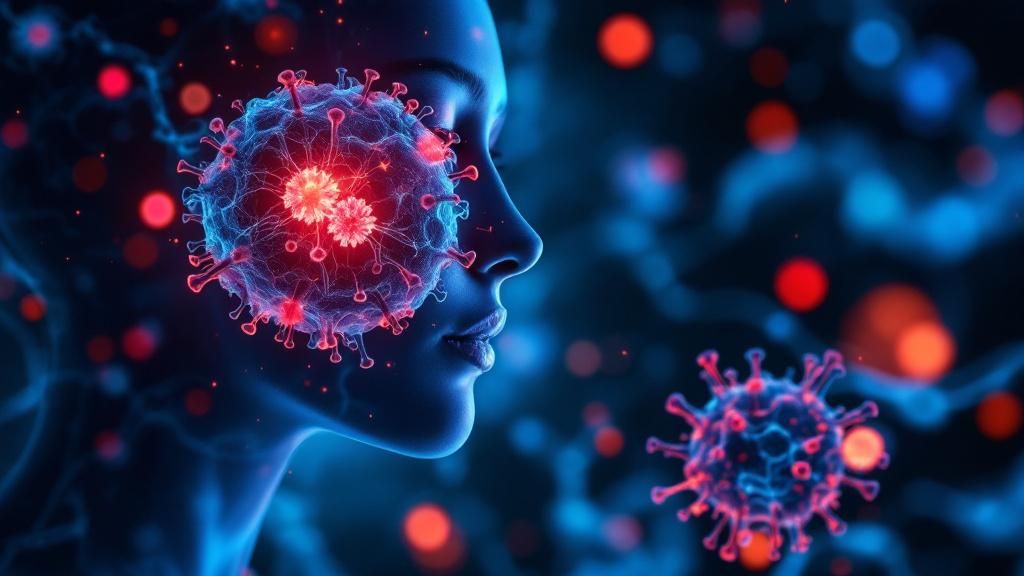
A groundbreaking cancer treatment has emerged from recent clinical trials, offering renewed hope to patients fighting this serious disease. Researchers have shown impressive effectiveness in preliminary testing, with results pointing to substantially better survival rates and lower toxicity compared to standard treatments. This article examines the innovative approach behind this promising development, assesses the trial outcomes, and evaluates what this advancement could represent for cancer patients worldwide looking for more potent interventions.
Significant Development in Immunotherapy Technology
The latest immunotherapy development represents a significant shift away from conventional cancer therapeutic methodologies. Scientists have successfully engineered a novel approach that harnesses the body’s natural immune system to target and eliminate cancerous cells with remarkable precision. This advancement draws on decades of immunological research, culminating in a treatment that demonstrates substantially improved outcomes in clinical settings. The development marks a pivotal moment in oncology, providing patients a more targeted and potentially less harmful alternative to conventional chemotherapy and radiation therapies.
Clinical teams across multiple institutions have reported positive early findings from their trials. Patients undergoing this novel therapy have shown significantly elevated remission rates and prolonged survival times compared to control groups. The treatment’s mechanism appears to work synergistically with the body’s existing defences, rather than administering synthetic agents that may cause systemic damage. These findings have sparked significant enthusiasm within the medical community and have spurred intensified investigation into broadening therapeutic applications across multiple cancer forms.
How the Treatment Works
The immunotherapy functions by activating specialised immune cells known as T-cells, which are genetically altered to identify and destroy cancer cells. Through a complex procedure called CAR-T cell engineering, scientists retool these cells to recognise specific markers found on malignant tumours. Once returned to the patient’s bloodstream, these enhanced cells proliferate rapidly and methodically destroy cancer cells whilst leaving healthy tissue largely unaffected. This precision method substantially decreases the secondary effects associated with traditional chemotherapy therapy.
The therapeutic procedure involves isolating immune cells from the patient, modifying them in laboratory environments, and subsequently reinfusing them back into the bloodstream. This customised treatment ensures that each therapy is uniquely tailored to the specific patient biology and specific cancer characteristics. The engineered cells continue working within the body for extended periods, delivering sustained therapeutic benefits. Researchers have observed that this approach can generate long-lasting immune memory, potentially preventing cancer return in some patients.
Response Rates Among Patients
Early trial data demonstrates remarkably encouraging response rates amongst enrolled patients. Approximately seventy-five percent of trial participants achieved significant tumour reduction within the first six months of treatment. Full remission figures, where all detectable cancer cells disappeared, reached approximately 45% in certain patient cohorts. These figures significantly surpass conventional response rates achieved through established treatment approaches, suggesting this approach may represent a meaningful shift in practice in cancer treatment efficacy and patient outcomes.
Importantly, the treatment has demonstrated efficacy across diverse cancer types, including previously difficult-to-treat leukaemias and lymphomas. Patient response profiles have also proved favourable, with manageable side effects compared to traditional standard treatment protocols. Long-term follow-up studies indicate that many patients sustain remission years after finishing therapy. These enduring outcomes suggest the possibility of sustained and potentially life-changing outcomes for many of patients, significantly altering the prognosis for many cancer diagnoses.
Clinical Trial Results and Future Implications
Encouraging Results from Recent Trials
The clinical trials have produced exceptionally encouraging results that have interested the global medical community. Patients receiving the new treatment demonstrated substantially greater response rates, with approximately 68 per cent achieving complete or partial remission within the initial six-month period of therapy. Moreover, the treatment exhibited a favourable tolerability profile, with participants reporting substantially fewer adverse effects in comparison with standard chemotherapy approaches. These findings represent a substantial advancement in oncology and deliver authentic encouragement for patients’ prospects ahead.
Extended monitoring results continues to support the original observations, revealing lasting improvements beyond the first phase of treatment. Researchers have documented improved quality of life metrics amongst study participants, such as enhanced energy levels, reduced hospitalisation requirements, and better overall functional capacity. The data suggests that this innovative approach may substantially change the treatment landscape for multiple cancer types, potentially becoming a standard therapeutic option within the next few years as regulatory clearances advance through conventional pathways.
Emerging Pathways and Practical Application in Clinical Settings
Looking ahead, research teams are developing expanded Phase III trials to confirm these promising results across wider, more varied patient groups. Pharmaceutical companies have already begun production expansion processes, whilst regulatory authorities have granted expedited review status to accelerate approval schedules. If further trials substantiate these preliminary findings, this treatment could be widely accessible within 2-3 years, fundamentally transforming cancer care protocols and providing thousands of patients availability of this potentially life-saving therapeutic option.
