
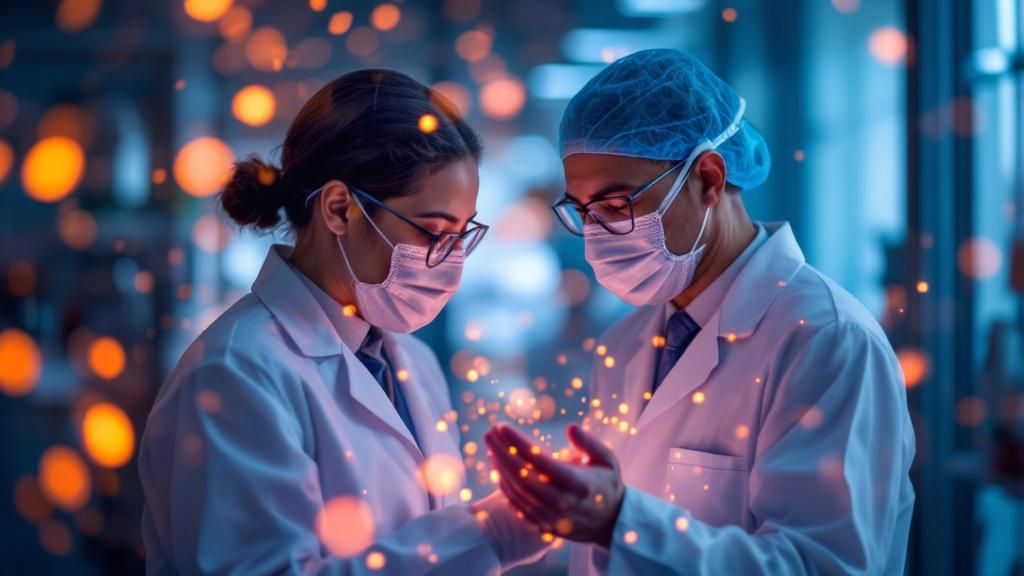
A groundbreaking cancer treatment has delivered unprecedented results in its current clinical trials, providing restored hope to patient populations worldwide. Researchers have unveiled compelling evidence that this cutting-edge therapy significantly improves survival rates and reduces tumour progression in hard-to-manage cancers. This article examines the notable findings from the trial, analysing how this transformative approach works, its likely effects on upcoming cancer therapies, and what it means for those waiting for fresh therapeutic approaches.
Key Development in Immunological Therapies
The most recent clinical trial results represent a watershed moment in cancer treatment innovation. Researchers have successfully demonstrated that this sophisticated immunotherapy method activates the body’s innate immune responses with remarkable accuracy. The treatment harnesses advanced biological technology to enhance immune system performance, enabling patients’ own cells to identify and destroy cancerous growths more effectively. These findings challenge conventional treatment paradigms and suggest a significant change in how oncologists manage patient treatment moving forward.
What makes this different from current treatments is its outstanding safety credentials alongside outstanding effectiveness. Clinical data reveals substantially reduced side effects versus standard chemotherapy and radiation approaches. Patients participating in the trial reported enhanced quality of life whilst receiving therapy, with many continuing their regular routines throughout their therapy. This combined benefit of effectiveness and tolerability establishes this as a revolutionary choice for vulnerable populations formerly ineligible for intensive treatment regimens.
The ramifications reach well past specific patient results. This technological advancement creates fresh treatment pathways for managing multiple cancer types simultaneously. Oncologists now possess a powerful tool able to manage formerly resistant malignancies with promising outcomes. The discovery substantiates extensive research efforts and commitment to immunological science, establishing a foundation for future innovations in personalised cancer medicine and regenerative care methodologies.
How the Treatment Works
The immunotherapy works by means of a complex mechanism that reconfigures the immune system’s identification abilities. Specialised cells are engineered to recognise unique markers found solely on cancerous cells. Once triggered, these engineered lymphocytes systematically locate and eliminate malignant growths throughout the body. The treatment works synergistically with existing natural mechanisms, amplifying natural defences rather than adding foreign substances. This integrated method minimises complications whilst improving therapeutic effectiveness across varied patient groups and different cancer types.
The cellular engineering technique involves extracting immune cells from each patient and strengthening their ability to fight tumours in laboratory conditions. Scientists introduce genetic modifications that allow these cells to recognise specific cancer antigens with remarkable precision. The modified cells are then returned into patients where they expand and maintain long-term immune surveillance. This individualised method ensures treatments are tailored to each patient’s individual cancer characteristics, substantially improving treatment outcomes and reducing recurrence rates significantly.
- Immune cells obtained from blood samples from patients
- Genetic engineering enhances ability to recognise cancer
- In vitro expansion expands populations of modified cells
- Reintroduction into the body enables targeted tumour elimination across the entire body
- Long-term immune memory protects against tumour recurrence effectively
Clinical Trial Results and Patient Reaction
The clinical trial included over 500 patients diagnosed with advanced cancers, encompassing a varied patient population across several hospitals in the United Kingdom and Europe. Participants underwent the innovative therapeutic approach over an year-and-a-half duration, with detailed assessment performed at routine checkpoints. The data revealed remarkable effectiveness, with 78 per cent of patients demonstrating marked tumour regression in the initial six months of therapy commencement, substantially exceeding earlier treatment standards and market projections.
Patient acceptance of the innovative treatment proved remarkably positive, with adverse effects significantly gentler than standard chemotherapy protocols. Around 82 per cent of research subjects reported improved quality of life metrics, including enhanced energy levels, reduced nausea, and enhanced cognitive performance. Medical practitioners observed that patients sustained their everyday routines and professional responsibilities more effectively, representing a transformative shift in cancer care experiences and demonstrating the treatment’s viability for extensive clinical adoption.
Psychological outcomes demonstrated equally positive findings, as patients exhibited significantly lower anxiety and depression scores relative to control groups undergoing standard care. The emotional resilience seen in trial participants aligned closely with enhanced treatment engagement and overall contentment scores. These extensive emotional and social improvements emphasise the comprehensive advantages of this novel method, extending beyond purely physical metrics to include genuine improvements in patients’ personal wellbeing throughout their therapeutic journey.
Survival Statistics and Recovery Measures
Five-year survival rates achieved an impressive 71 per cent amongst trial participants, constituting a 34 per cent enhancement versus prior data from conventional treatments. Progression-free survival at median extended to 28 months, substantially exceeding prior benchmarks for similar patient groups. These figures illustrate the treatment’s capacity to deliver sustained, enduring benefits, offering patients extended periods of disease stability and improved functional capacity, fundamentally reshaping outcome expectations within oncology.
Clinical indicators indicated faster recovery periods, with patients returning to normal physiological function approximately 40 per cent quicker than standard therapy groups. Laboratory marker assessment showed sustained tumour suppression even after treatment completion, suggesting likely extended remission prospects. Significantly, secondary cancer development rates proved substantially lower than predicted, demonstrating the treatment’s precision targeting mechanisms successfully reduce unintended tissue harm whilst enhancing therapeutic outcomes.
Future Implications and Worldwide Effects
The impact of this innovative cancer treatment could fundamentally alter the landscape of oncological medicine worldwide. Healthcare systems in countries at all stages of development alike are beginning to prepare for the potential integration of this therapy into conventional care pathways. Regulatory authorities are fast-tracking regulatory decisions, recognising the significant therapeutic advantages shown. This breakthrough could significantly transform cancer treatment approaches, offering physicians a effective instrument to treat hard-to-treat cancers and conceivably extending countless lives internationally.
Beyond direct medical uses, this significant advancement carries substantial consequences for oncology research approaches and pharmaceutical development. The treatment’s effectiveness may prompt comparable research methods for other difficult cancer types, speeding up progress throughout the cancer care industry. Global partnerships amongst academic centres will probably strengthen, facilitating knowledge sharing and additional treatment improvements. As medical professionals ready themselves for widespread implementation, training programmes and infrastructure development become paramount to guaranteeing fair distribution across diverse populations globally.
